Awards & Recognition
Our Awards, Achievements & Memorable Moments
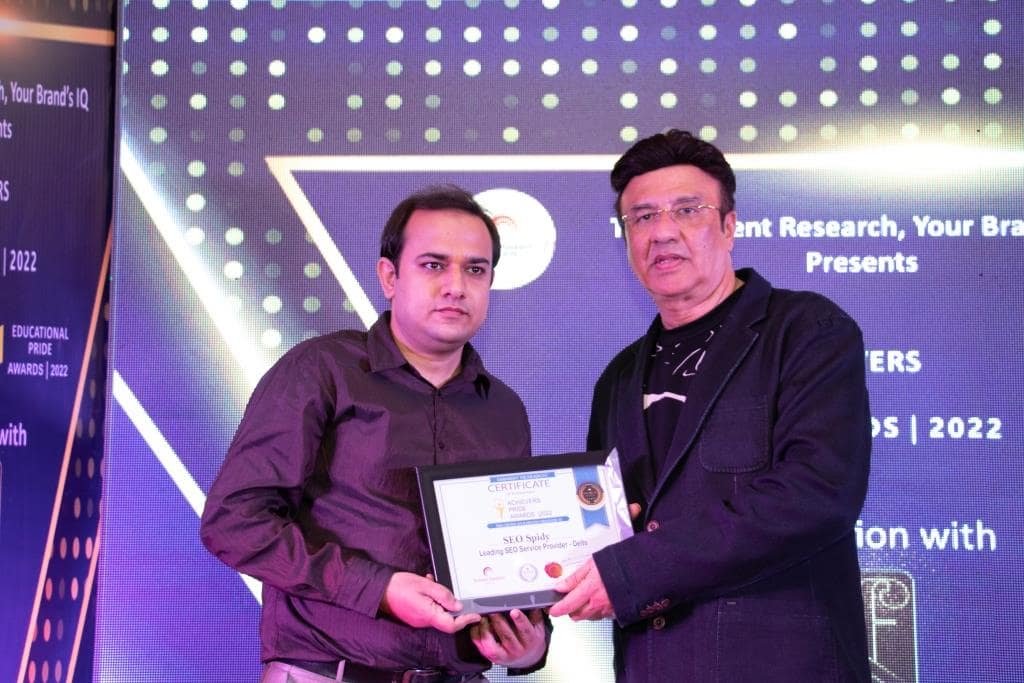
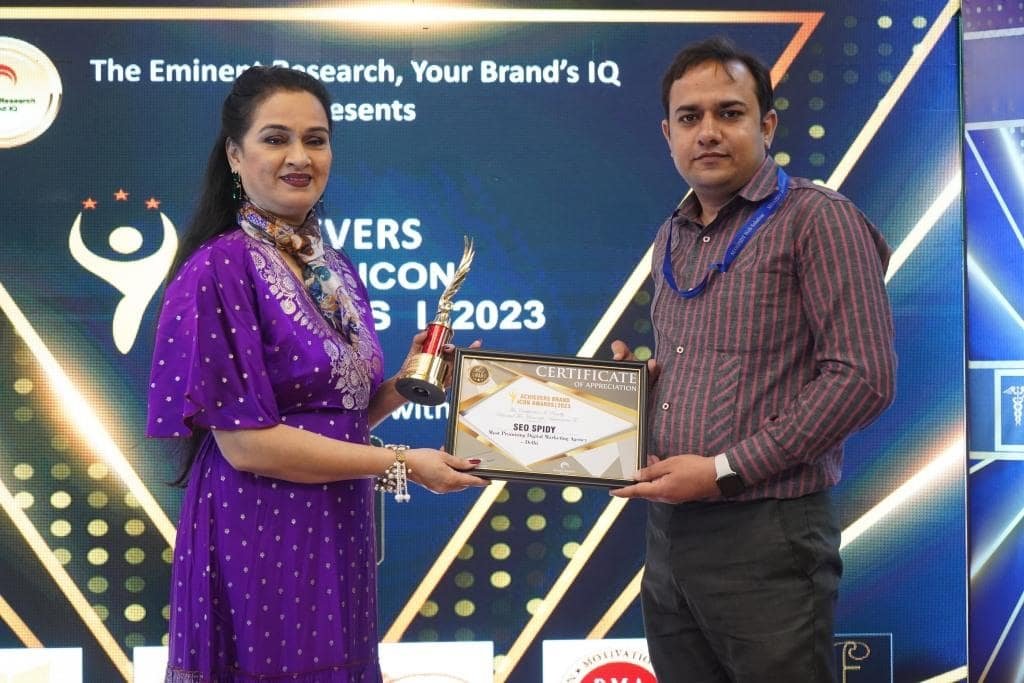
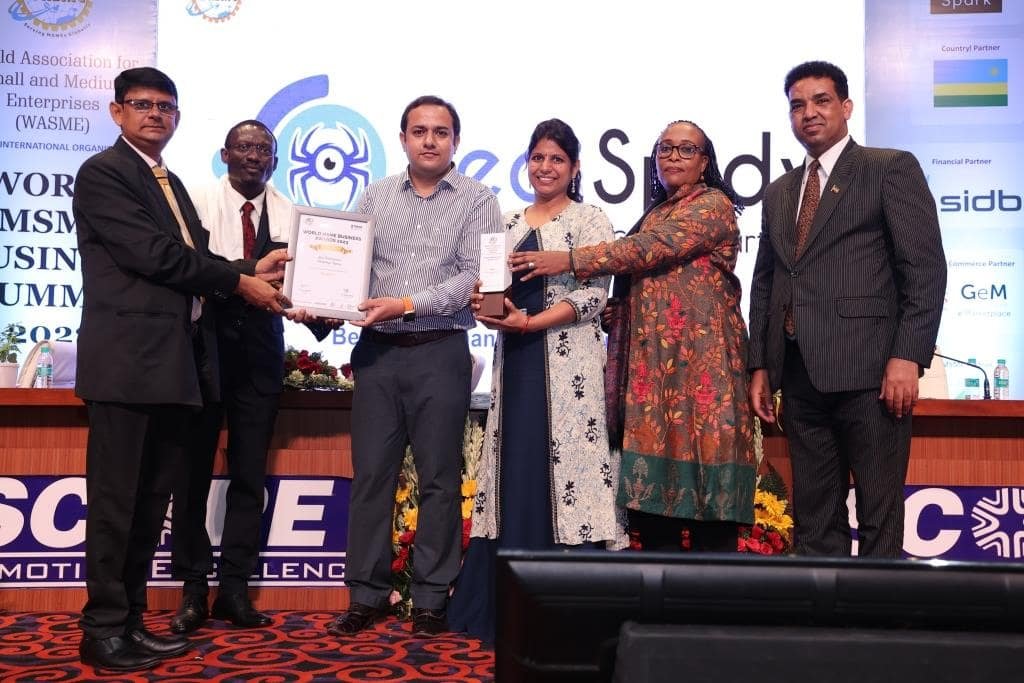
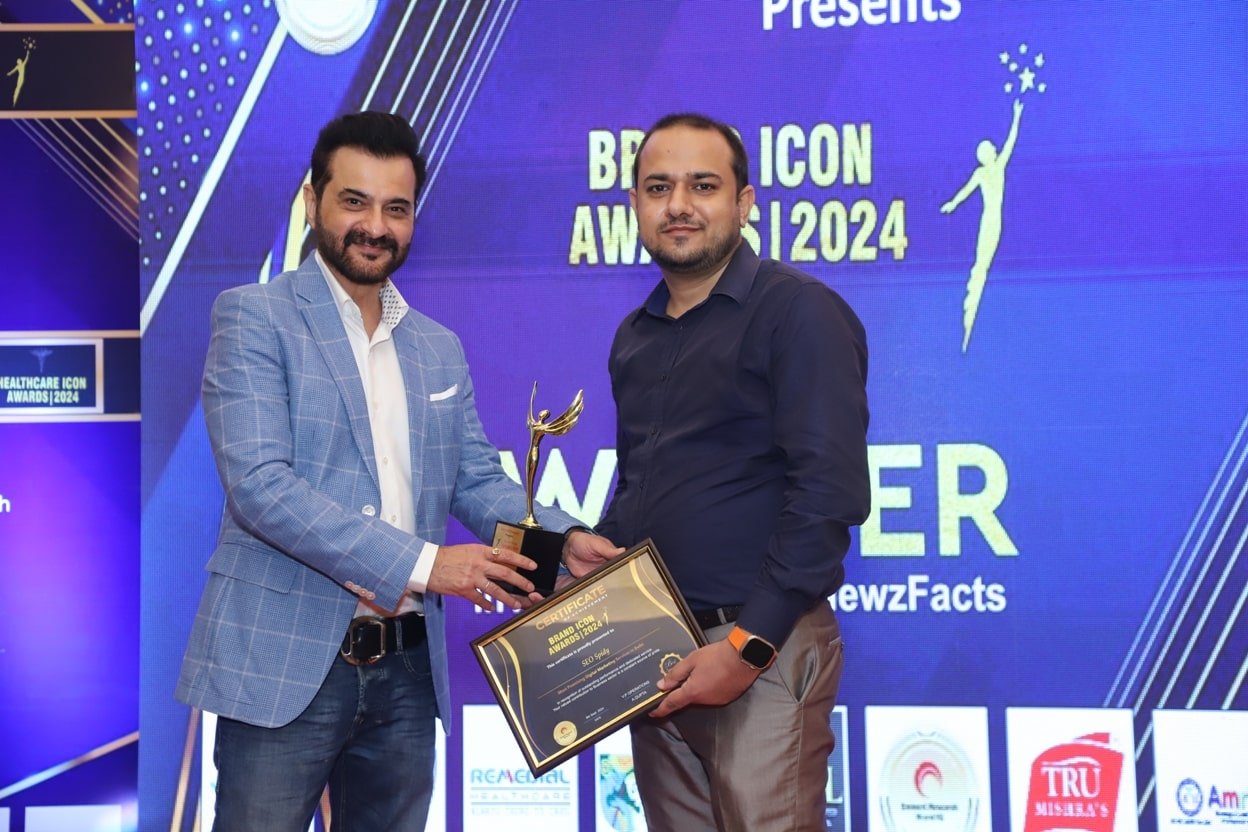
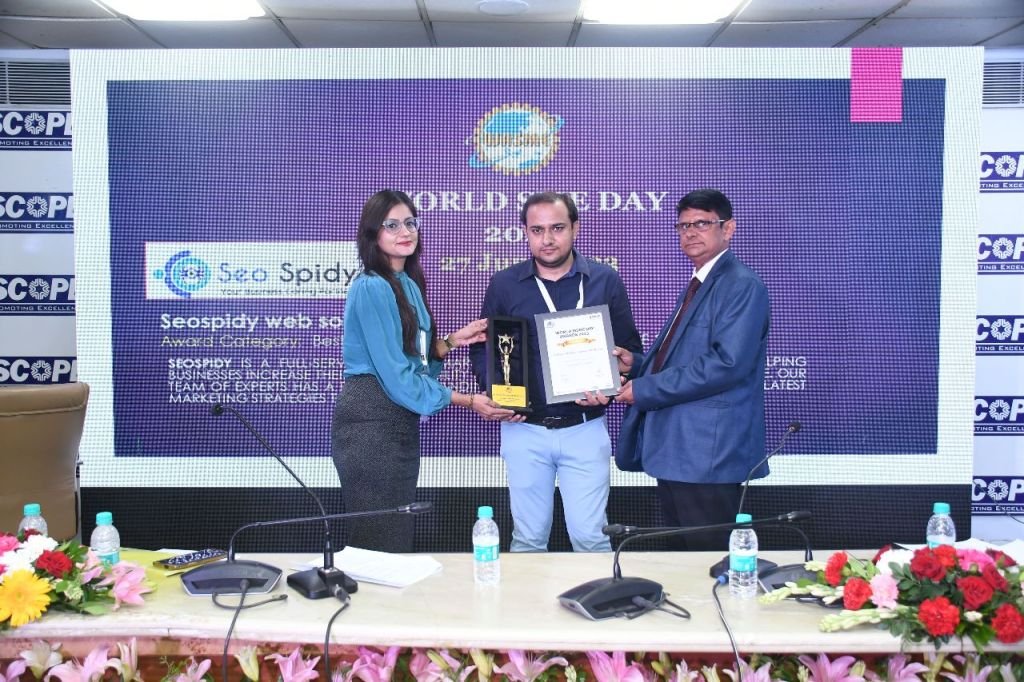
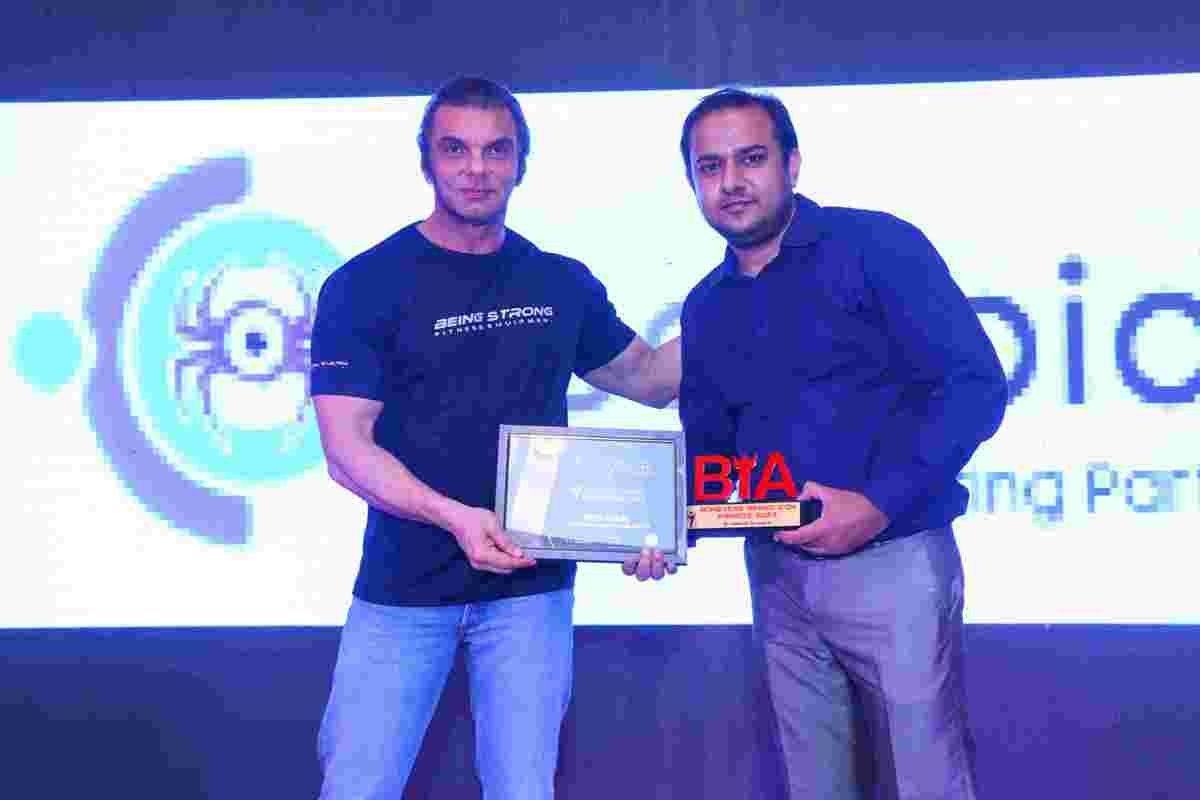
A glimpse of SEOSpidy's journey — industry awards, recognitions and celebrated moments with Bollywood personalities that reflect a decade of trust and excellence.


E-commerce SEO requires a different approach to standard website SEO. With thousands of product and category pages, complex technical challenges and intense competition, your online store needs specialist optimisation to rank and drive sales. SEOSpidy specialises in e-commerce SEO for Indian online retailers.
E-commerce websites face unique SEO challenges: duplicate content from product variations, thin product descriptions, complex URL structures, faceted navigation creating crawl waste, and intense competition from marketplaces like Amazon and Flipkart. Effective e-commerce SEO requires deep technical expertise alongside commercial keyword strategy to drive profitable organic traffic.
Unique, keyword-rich descriptions that rank and convert
Commercial intent pages that drive high-volume, transactional traffic
Faceted navigation, duplicate content and crawl budget optimisation
Google Shopping optimisation for product listing ads
Product, review and breadcrumb schema for rich search results
Clean URL structure and internal linking for large product catalogues
We audit your e-commerce platform — whether WooCommerce, Shopify or custom — identifying technical issues like crawl waste from filters, duplicate content from product variants, and pagination problems that block Google from properly indexing your catalogue.
Our team creates a keyword strategy mapping commercial-intent search terms to your category pages and informational terms to your blog — capturing buyers at every stage of the purchase journey.
We optimise product and category page templates, implement rich snippet schema and build category-focused backlinks — tracking keyword rankings and organic revenue through Google Analytics.
SEOSpidy · Est. 2015
E-commerce SEO involves unique challenges: managing thousands of pages with similar content (product variations), optimising for high-purchase-intent keywords, handling complex technical issues like faceted navigation and duplicate URLs, and competing against major marketplaces. It also requires deeper integration with analytics to track revenue from organic traffic, not just rankings.
Both are important but for different keyword types. Category pages should target high-volume commercial keywords (e.g., "men's running shoes Delhi") — they rank for broader searches and drive more traffic. Product pages target specific, long-tail queries (e.g., "Nike Air Zoom Pegasus 40 buy online") — lower volume but higher purchase intent. A strong e-commerce SEO strategy optimises both simultaneously.
Out-of-stock product pages should not be deleted — they retain SEO value. Best practice is to keep the URL live with a clear out-of-stock indicator, suggest alternative products, and add the user to a waitlist if restocking is planned. If the product is permanently discontinued, redirect its URL to the most relevant category page.
Duplicate content — where the same product description appears on multiple URLs (due to colour/size variants, filters or parameters) — can confuse Google about which page to rank and dilute your ranking potential. SEOSpidy resolves this through canonical tags, parameter handling in Google Search Console and unique description templates.
E-commerce SEO typically takes 4–6 months for meaningful ranking improvements due to the scale of optimisation required. However, fixing critical technical issues and improving category page content can show results in 6–8 weeks. Long-tail product keywords often rank faster than competitive category keywords.
Get a free audit from our Delhi NCR experts. No obligation — just a clear path to digital growth.
A glimpse of SEOSpidy's journey — industry awards, recognitions and celebrated moments with Bollywood personalities that reflect a decade of trust and excellence.